Tips for Diabetic Foot Care and Prevention
- posted: Dec. 18, 2025
For people living with diabetes, foot care is not a routine matter, but a critical component of health management. Due to the effects of persistently high blood sugar, two major complications can put the feet at serious risk:
- Diabetic Neuropathy: Nerve damage that often leads to a loss of sensation, or numbness, in the feet. This means small injuries (cuts, blisters, splinters) may go unnoticed and untreated.
- Peripheral Artery Disease (PAD): Poor circulation, which reduces blood flow to the feet. When an injury does occur, the lack of sufficient blood flow prevents proper healing, leading to ulcers and severe infections.
Because the potential consequences are so serious, proactive, daily foot care and regular visits to a podiatrist are of vital importance. Dr. Jesse Anderson, DPM, serving patients in Norfolk and Suffolk, VA, specializes in preventative and acute diabetic foot care to keep you active and healthy.
Five Essential Steps for Daily Foot Care
Making these simple steps part of your daily routine is the most effective way to prevent serious complications:
- 1. Inspect Your Feet Daily: This is the single most important habit. Check the entire foot, including the soles, between the toes, and the heels. Look for any cuts, blisters, red spots, swelling, ingrown toenails, or changes in temperature. If you cannot reach your feet, use a mirror or ask a family member for assistance.
- 2. Wash and Dry Thoroughly: Wash your feet every day with mild soap and lukewarm water. Crucially, dry your feet completely, especially between the toes. Moisture left in these areas can lead to fungal infections (like athlete's foot), which can quickly break the skin barrier.
- 3. Moisturize, But Not Between the Toes: Use a high-quality lotion or cream to keep the skin soft and prevent cracking. However, avoid applying lotion between the toes, as this traps moisture and encourages fungal growth.
- 4. Never Walk Barefoot: Whether indoors or outdoors, always wear shoes or slippers. Because of potential numbness (neuropathy), stepping on a sharp object may not be felt, leading to a puncture wound and severe infection.
- 5. Trim Toenails Carefully: Cut toenails straight across and gently smooth the edges with a file. Do not cut them too short, and never attempt to cut or treat corns, calluses, or ingrown nails yourself. This must be done by a podiatrist to prevent accidental injury and infection.
The Critical Role of Podiatric Care
Even with excellent diabetic foot care at home, regular professional examinations are necessary. Dr. Anderson provides essential preventative services at our Norfolk and Suffolk, VA, offices, including the following:
- Routine Inspections: A podiatrist can spot subtle changes you may miss, checking for signs of neuropathy, circulation issues, and early skin changes.
- Diabetic Footwear: We assess your foot structure and prescribe specialized, custom-fitted diabetic shoes and inserts (orthotics). These shoes are designed to accommodate deformities, eliminate points of pressure, and reduce the risk of ulcer formation.
- Professional Nail and Skin Care: We safely trim toenails and manage calluses or corns, preventing the accidental injuries that often lead to infections.
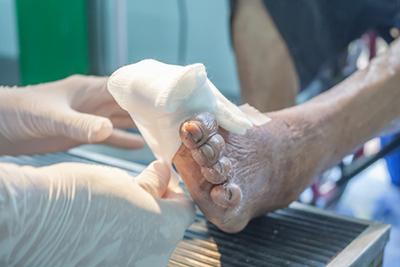
- Wound Care: If an ulcer or wound does develop, we provide immediate, specialized wound care management to ensure the wound closes quickly and completely, preventing the need for amputation.
Ready to Protect Your Feet?
Your feet are the foundation of your mobility, and protecting them is essential for maintaining your independence and quality of life. Do not wait for a problem to develop; make professional diabetic foot care a priority.
Schedule your comprehensive diabetic foot exam with Dr. Anderson in Norfolk, VA, at 757-625-2962 or in Suffolk at 757-539-2098.
- posted: Dec. 18, 2025
For people living with diabetes, foot care is not a routine matter, but a critical component of health management. Due to the effects of persistently high blood sugar, two major complications can put the feet at serious risk:
- Diabetic Neuropathy: Nerve damage that often leads to a loss of sensation, or numbness, in the feet. This means small injuries (cuts, blisters, splinters) may go unnoticed and untreated.
- Peripheral Artery Disease (PAD): Poor circulation, which reduces blood flow to the feet. When an injury does occur, the lack of sufficient blood flow prevents proper healing, leading to ulcers and severe infections.
Because the potential consequences are so serious, proactive, daily foot care and regular visits to a podiatrist are of vital importance. Dr. Jesse Anderson, DPM, serving patients in Norfolk and Suffolk, VA, specializes in preventative and acute diabetic foot care to keep you active and healthy.
Five Essential Steps for Daily Foot Care
Making these simple steps part of your daily routine is the most effective way to prevent serious complications:
- 1. Inspect Your Feet Daily: This is the single most important habit. Check the entire foot, including the soles, between the toes, and the heels. Look for any cuts, blisters, red spots, swelling, ingrown toenails, or changes in temperature. If you cannot reach your feet, use a mirror or ask a family member for assistance.
- 2. Wash and Dry Thoroughly: Wash your feet every day with mild soap and lukewarm water. Crucially, dry your feet completely, especially between the toes. Moisture left in these areas can lead to fungal infections (like athlete's foot), which can quickly break the skin barrier.
- 3. Moisturize, But Not Between the Toes: Use a high-quality lotion or cream to keep the skin soft and prevent cracking. However, avoid applying lotion between the toes, as this traps moisture and encourages fungal growth.
- 4. Never Walk Barefoot: Whether indoors or outdoors, always wear shoes or slippers. Because of potential numbness (neuropathy), stepping on a sharp object may not be felt, leading to a puncture wound and severe infection.
- 5. Trim Toenails Carefully: Cut toenails straight across and gently smooth the edges with a file. Do not cut them too short, and never attempt to cut or treat corns, calluses, or ingrown nails yourself. This must be done by a podiatrist to prevent accidental injury and infection.
The Critical Role of Podiatric Care
Even with excellent diabetic foot care at home, regular professional examinations are necessary. Dr. Anderson provides essential preventative services at our Norfolk and Suffolk, VA, offices, including the following:
- Routine Inspections: A podiatrist can spot subtle changes you may miss, checking for signs of neuropathy, circulation issues, and early skin changes.
- Diabetic Footwear: We assess your foot structure and prescribe specialized, custom-fitted diabetic shoes and inserts (orthotics). These shoes are designed to accommodate deformities, eliminate points of pressure, and reduce the risk of ulcer formation.
- Professional Nail and Skin Care: We safely trim toenails and manage calluses or corns, preventing the accidental injuries that often lead to infections.
- Wound Care: If an ulcer or wound does develop, we provide immediate, specialized wound care management to ensure the wound closes quickly and completely, preventing the need for amputation.
Ready to Protect Your Feet?
Your feet are the foundation of your mobility, and protecting them is essential for maintaining your independence and quality of life. Do not wait for a problem to develop; make professional diabetic foot care a priority.
Schedule your comprehensive diabetic foot exam with Dr. Anderson in Norfolk, VA, at 757-625-2962 or in Suffolk at 757-539-2098.
Our Location
